
Embryonic South Yemeni state in critical condition just five days after its proclamation
Nationalia 9-01-2026, 10:27 international, security

Less than a month after securing territorial control over the entirety of South Yemen following a successful offensive in early December, the Southern Transitional Council (STC) has seen its gains unravel. After that advance, the STC proclaimed the birth of the new State of South Arabia on 2 January. Five days later, an offensive by forces allied with the Yemeni government, backed by Saudi Arabia, has left the STC in a critical position.
The secessionist organisation, which in turn enjoyed the support of the United Arab Emirates, had calculated that it could maintain territorial control over the former South Yemen. Last week, it announced the restoration of that state under the name South Arabia, alongside plans for a self-determination referendum and a two-year transition towards independence.
The offensive by Yemeni government and Saudi forces forced the STC, on 7 December, to withdraw from at least large parts of the southern capital, Aden, after losing control of almost the entire territory of South Yemen. Several reports indicate that STC forces have regrouped in Dhale and Lahj, the two westernmost governorates of South Yemen. The STC claims that its leader, Aidarous al-Zubaidi, remains in Aden; Saudis meanwhile say he fled by boat to Somaliland and will go into exile in the United Arab Emirates from there.
In a statement, the STC accused Saudi Arabia of causing civilian casualties in South Yemen during the offensive, called on Riyadh to halt the operation, and demanded the release of around 50 STC representatives who had travelled to the Saudi capital for talks with Saudi authorities.
If it manages to consolidate control over South Yemen, the Yemeni government now has the option of attempting to reorganise its support base there before seeking to retake the former North Yemen, which remains largely under the control of the Houthis, an Iran-aligned Shiite Islamist militia.
Ariadna Fernández denuncia que, mentres pechan 300 explotacións ao ano, a medida estrela do PP para salvalas, é un instrumento inútil
read more..Olalla Rodil ve os populares “enfurruñados” co acordo acadado polo Bloque e exixe a Rueda que deixe de mentir para boicotear a transferencia
O texto pactado supón que o Estado asumiría o custo económico que se puidese derivar dunha eventual anulación da prórroga de 25 anos outorgada por Aznar
read more..De commissie Sociale Zaken, Werk en Pensioenen bespreekt deze week de pensioenhervorming. Maandag 23 maart werden verschillende pensioenexperten uitgenodigd voor een hoorzitting in de commissie, en daaruit bleek dat de Studiecommissie voor de Vergrijzing pas een nieuw rapport zal uitbrengen tegen midden april.“Maar ondertussen wil regering-De Wever het wetsontwerp al door het parlement jagen”, reageert Kamerlid Ellen Samyn(Vlaams Belang).“Hoe kunnen we nu een dergelijk impactvolle pensioenhervorming stemmen zonder duidelijke prognoses naar de toekomst toe?“
read more..Els grups parlamentaris demanen un reconeixement públic a les víctimes i mecanismes de reparació
Junts, Esquerra Republicana, Comuns i CUP insten la Sindicatura de Greuges a actuar d’ofici davant els casos de vexacions, maltractaments, agressions i morts de nombrosos joves durant el servei militar obligatori a l’Estat. Els quatre grups han registrat una proposta al Parlament per esclarir els fets que, els darrers mesos, han emergit a través de nombrosos testimonis i de dos documentals emesos a 3Cat.
read more..Volgens de Estse minister van Justitie zullen er geen Estse gevangenisplaatsen verhuurd worden aan België, maar zal er enkel een vergelijkende analyse gemaakt worden van het Belgische en Estse rechtssysteem. Nochtans stelde minister van Asiel en Migratie Anneleen Van Bossuyt (N-VA) eergisteren nog in de media dat er “technische onderhandelingen” opgestart zouden worden over de overbrenging. Het Vlaams Belang eist dat ministers Van Bossuyt en Annelies Verlinden (cd&v) onmiddellijk klaarheid scheppen over het bezoek dat ze deze week aan Estland brachten. “Wat zij beweerden over hun bezoek aan Estland staat diametraal tegenover wat de Estse regering beweert”, zegt Kamerlid Alexander Van Hoecke (Vlaams Belang). “De vraag rijst of de ministers ons doelbewust een rad voor de ogen hebben gedraaid om toch maar goed nieuws te kunnen verkopen?”
read more..A Executiva Nacional do Bloque Nacionalista Galego (BNG) expresa a súa condena ao ataque militar perpetrado polos Estados Unidos e Israel contra Irán. Este novo acto de agresión, que pon en risco a vida da poboación civil e a estabilidade de todo Oriente Medio, supón unha nova vulneración da soberanía dos Pobos, do dereito internacional e da Carta das Nacións Unidas.
read more..Fíggjarlógin er komin á beint, og spádda landskassahallið upp á fleiri hundrað milliónir í 2025 vísti seg at vera ein feilmeting. Ístaðin verður yvirskot á landskassaroknskapinum fyri 2025.
read more..Sinds Frank Vandenbroucke(Vooruit) in 2020 minister van Volksgezondheid en Sociale Zaken werd, is het aantal langdurig zieken explosief blijven stijgen, tot naar schatting 585.000 personen. Dat betekent dat bijna 12 procent van de werkende bevolking al langer dan één jaar thuiszit met een ziekte-uitkering, of 1 Belg op 20.“Voor het Vlaams Belang moet er een strenge maar rechtvaardige controle komen op mensen die al langer dan één jaar thuiszitten omwille van ziekte”, zegt Kamerlid Ellen Samyn.“Wij willen geen heksenjacht op mensen die echt ziek zijn. Maar het systeem dat de socialisten hebben opgezet, kent geen degelijke controleketen, geen financiële verantwoordelijkheid en een gebrekkig activeringsbeleid.”
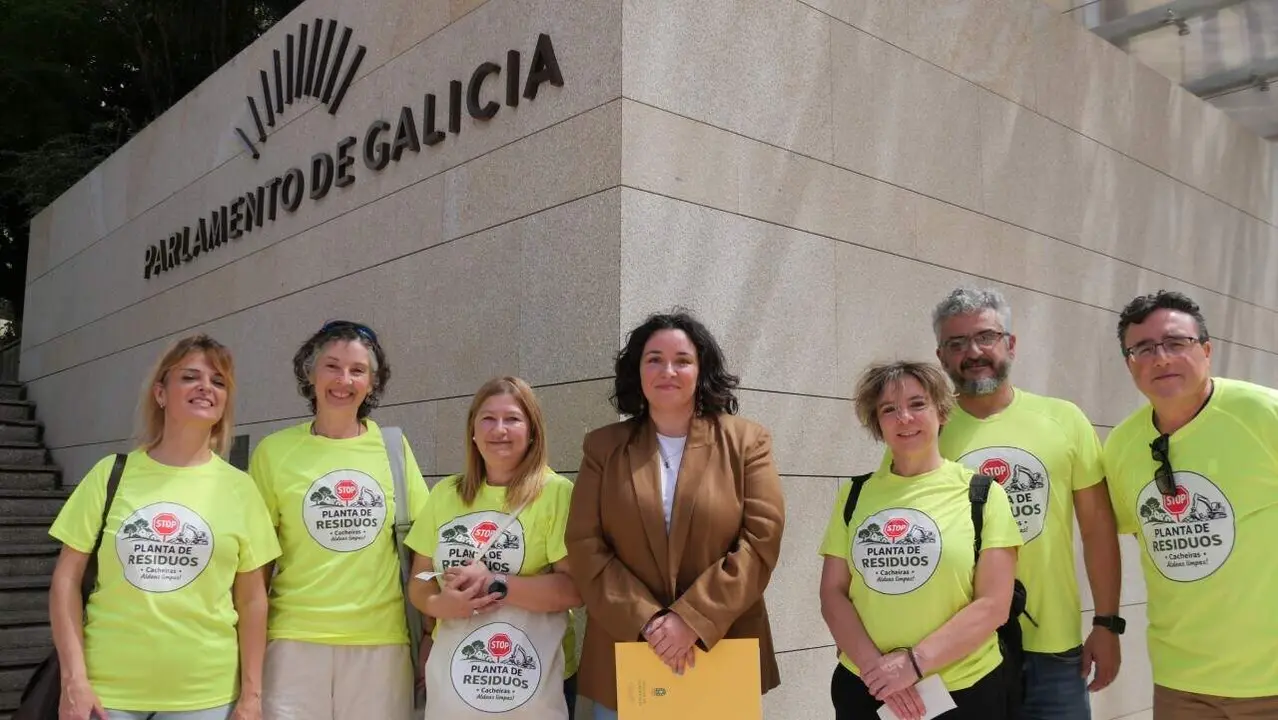
read more..Saleta Chao acusa o PP de ocultar intencionadamente a tramitación do proxecto e de menosprezar a xente que vai convivir con ruído, po e camións

Calendar
| Mon | Tue | Wed | Thu | Fri | Sat | Sun |
|---|---|---|---|---|---|---|
| 1 | 2 | 3 | 4 | 5 | ||
| 6 | 7 | 8 | 9 | 10 | 11 | 12 |
| 13 | 14 | 15 | 16 | 17 | 18 | 19 |
| 20 | 21 | 22 | 23 | 24 | 25 | 26 |
| 27 | 28 | 29 | 30 | 31 | ||